Public Health Resources
The Wisconsin Department of Health Services maintains webpages for the Wisconsin Wastewater Monitoring Program on the Wisconsin Department of Health Services website.
How to use wastewater data
Public health practitioners can use wastewater data to complement other surveillance data sources in the community such as laboratory tests and hospitalizations.
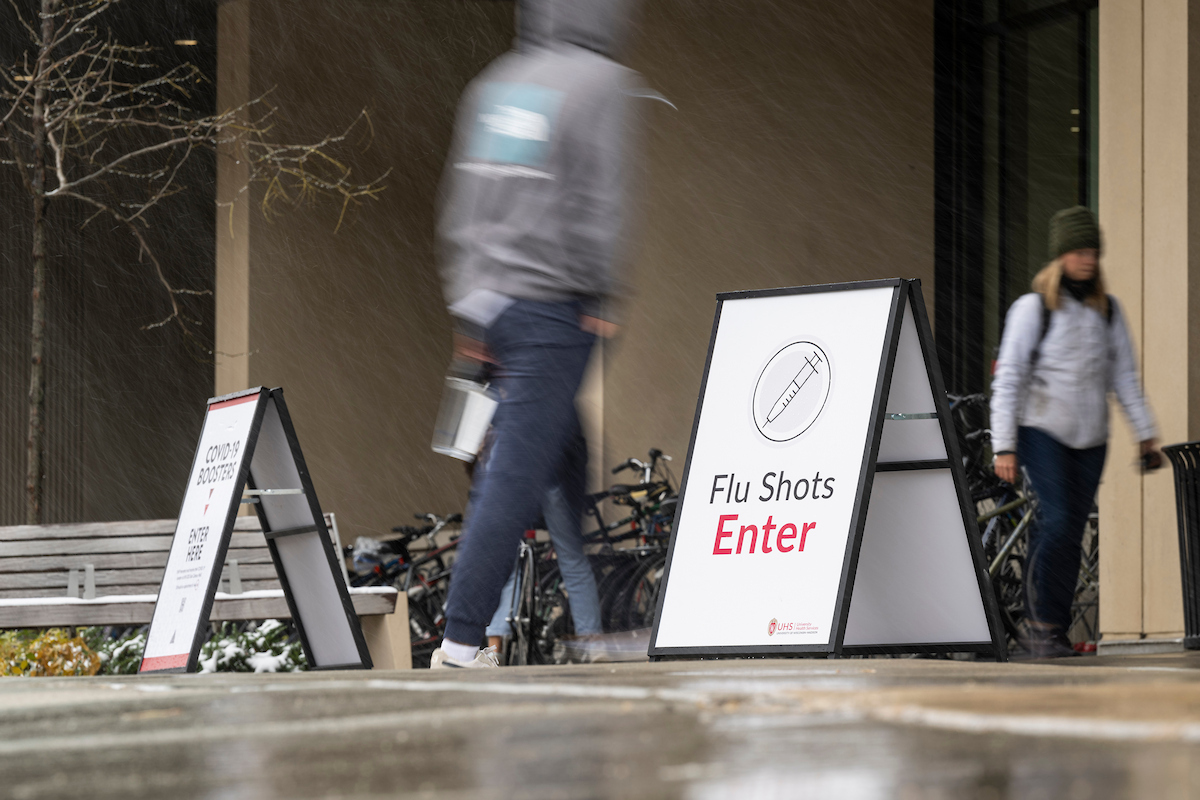
Example 1: Monitoring for Respiratory Viruses (Influenza, RSV, and SARS-CoV-2)
The Wisconsin Department of Health Services reviews wastewater data weekly to help describe trends and make recommendations to the community on how to stay healthy in the “What to know” section on their Respiratory Virus Data webpage. Wastewater data is integrated alongside data from emergency departments, laboratory testing and hospitalizations.
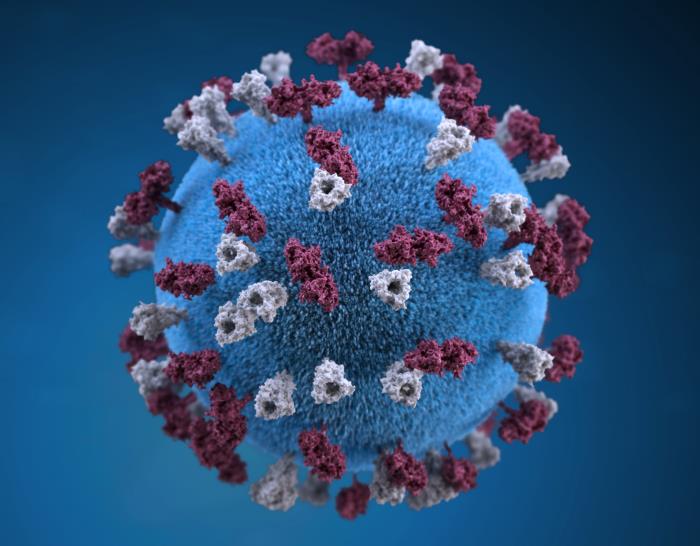
Example 2: Monitoring for Emerging Concerns (measles, mpox, avian flu H5)
The Wisconsin Department of Health Services posted a press release after the clinical report of measles along with the detection of measles in untreated wastewater.
Where to find wastewater data
To find the latest virus levels in your jurisdiction, check out the public dashboards linked in the Wastewater Dashboards section of this website. If you are a local health department outside of Wisconsin, you may also contact your state health department or the CDC National Wastewater Surveillance System to learn more about which viruses have available wastewater data in your community.
How to analyze wastewater data
To use wastewater data requires some analysis. Public dashboards typically show wastewater data that has already been analyzed to account for population size and often is grouped into categories of levels, such as low, medium and high.
To learn more about analyzing wastewater data, check out the Data Analysis and Sharing resources from the Colorado Center of Excellence: Wastewater Surveillance Data Analysis and Dashboard Development Webinar Series.
For additional questions on building a dashboard or incorporating wastewater data into your regular workflow, please use the Services and Inquiries form. You may also contact your state health department or the CDC National Wastewater Surveillance System to learn more about which viruses have available wastewater data in your community.
Virtual Meetings
Host: CDC National Wastewater Surveillance System and Centers of Excellence
Audience or Theme: State or local wastewater monitoring programs, local health departments
How to Join: Email CDC National Wastewater Surveillance System
Host: Association of Public Health Laboratories (APHL)
Audience or Theme: State, local, territorial and tribal public health laboratories performing or interested in this testing and their partners
How to Join: Create an APHL account and email Erin Morin
Host: National Wastewater Surveillance System Centers of Excellence
Audience or Theme: Wastewater monitoring programs (varies, typically public health or lab focused)
How to Join: Contact your regional representative or National Wastewater Surveillance System
Host: Varies by state: health departments typically run these calls
Audience or Theme: May include local health, utility partner, health care
How to Join: Contact your state health department of National Wastewater Surveillance System
Host: Fostering Local Wastewater Monitoring Network (FLoW-Net) National Association of County and City Health Officials
Audience or Theme: Local health departments
How to Join: Fill out this form
Audience or Theme: Research
How to Join: Join our email list here by logging in to your email and clicking “Ask to Join Group”.
Conferences
Check out the list of events where you can find wastewater monitoring presentations.
In-Person or 1:1 Opportunities
Visit a local participating utility (many offer tours)
APHL Peer to Peer Exchange (funding exists through CSTE for epidemiological visits)
Request a tour of the Wisconsin State Laboratory of Hygiene to see how wastewater is analyzed
Request a presentation from the Wisconsin Department of Health Services Team